MOOD BOARD FOR A/NOT A
MOOD BOARD FOR A/NOT A
The work should covey the feeling of this passage from a/not A:
“But surely, the cancelling of individual voices and the resultant division can pose no great danger? Wrong; it is the greatest danger we currently face. Worse than racism, worse that destroying the Constitution, worse than drug cartels, worse than illegal immigration, worse than terrorism, worse than gun violence, worse than global warming. Worse than the continual threat of global thermonuclear war. The reasons why this is so may not be readily apparent, but they are very real.” (p. 305)
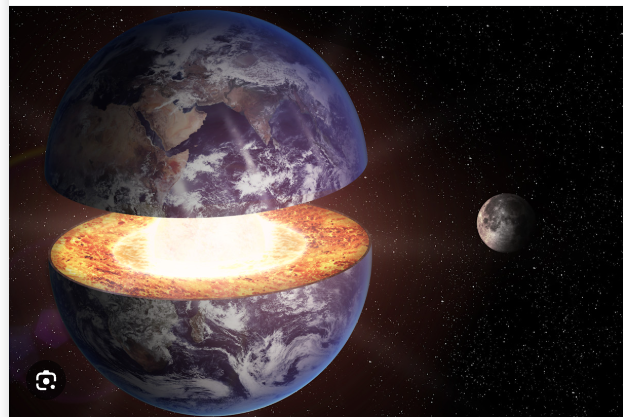
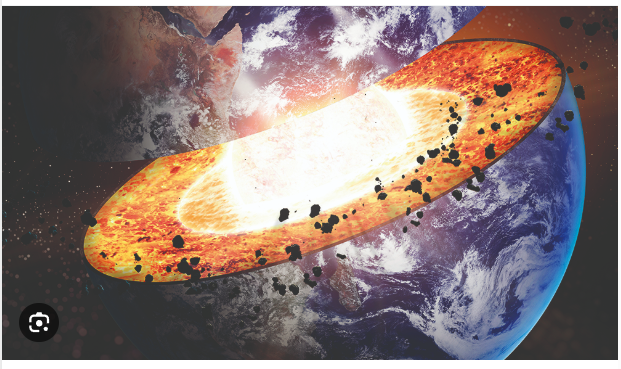
I thought that we might use an image of a globe (the Earth) splitting in half, with one small individual in the middle holding it together.
Here are some mood board images:



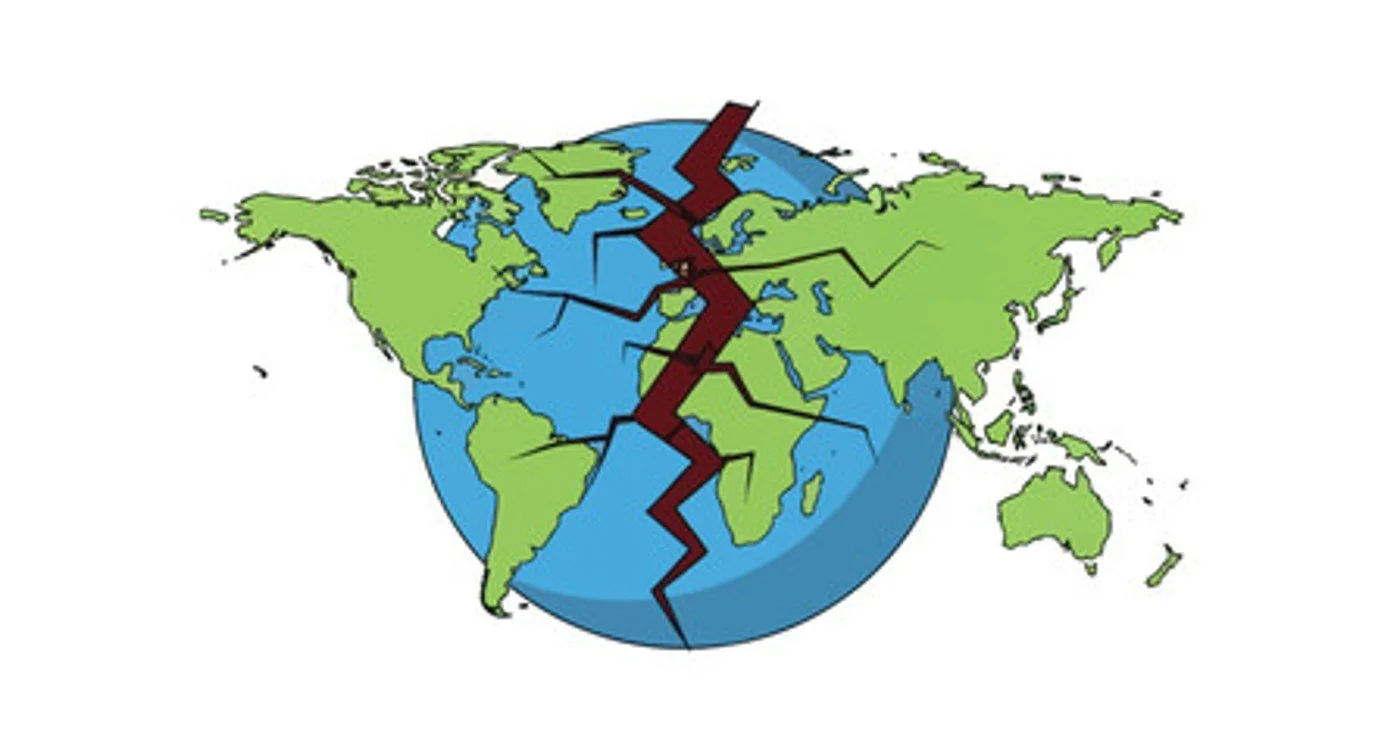

Notice they are all DYNAMIC images; the Earth halves are CRACKED; it appears the Earth is CRUMBLING.
This was not the case in your 1st sketch. Their, the Earth appears static and sliced. There are some small mountain-like structures on the interior, one or two chunks near the figure, and white “lines of force.” All this is not enough, because the halves of the globe are parallel to each other:
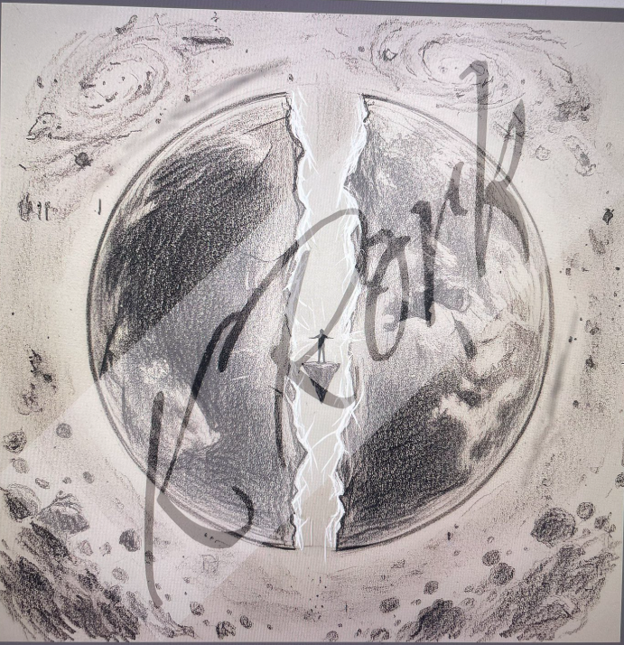
So, the two halves of the globe should be tilted slightly in relation to one another. And there should be much larger cracks.
A few other source materials for the man and surrounding space might help:
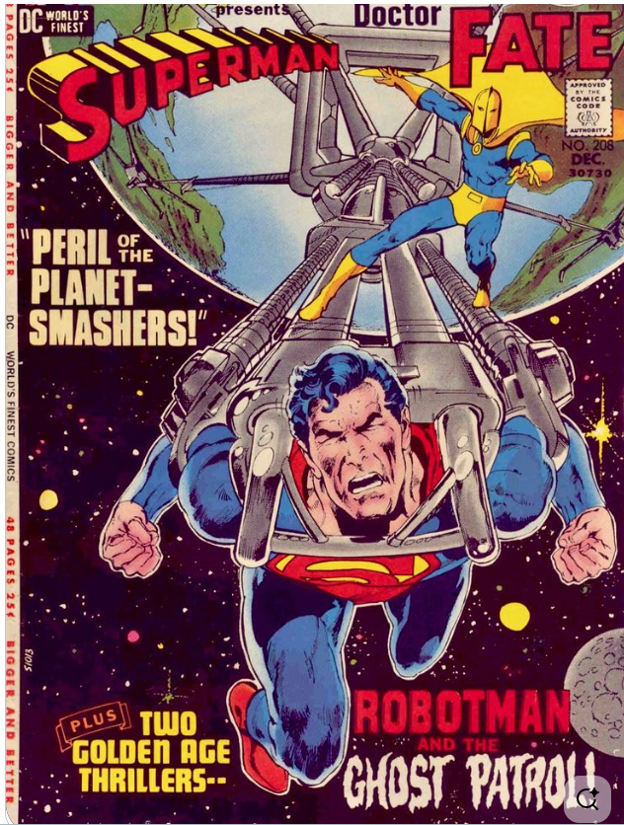
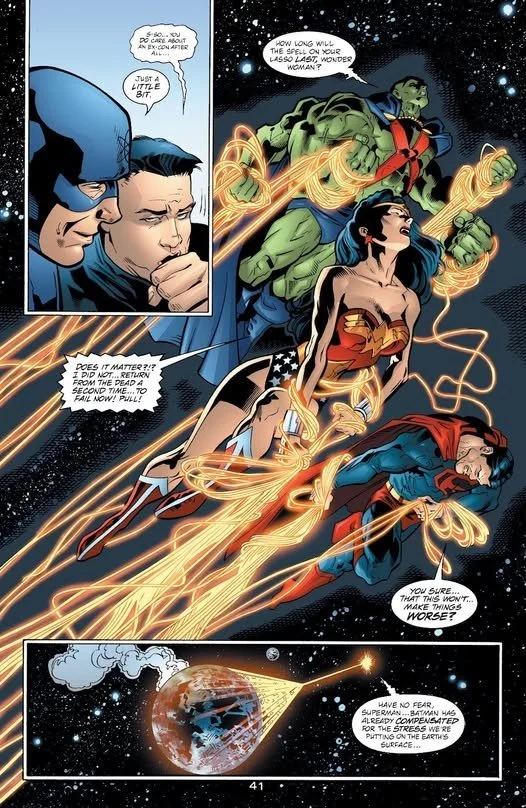
In comic books, Superman pulled the Earth several times. This image is one of the best I remember from my youth:
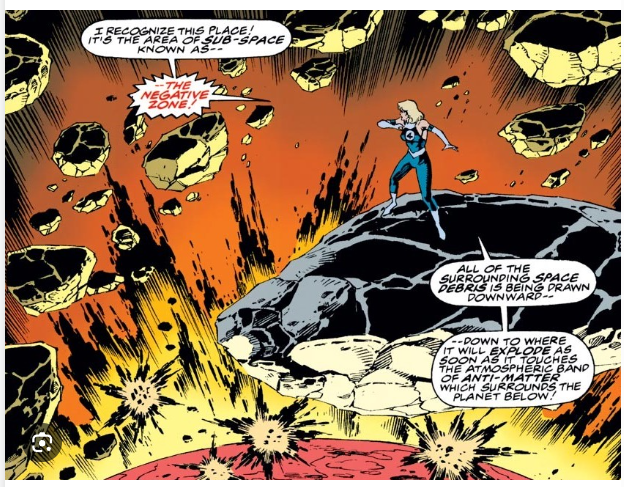
Another image I loved was Annhilus, who hung out in a place called the :negative zone,” filled with floating chunks:
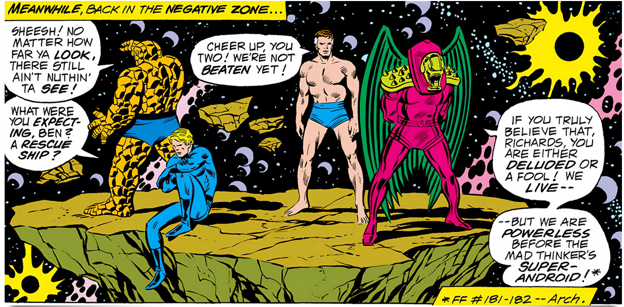
One area of the negative zone is called the Distortion Area, where you encounter anti-matter and blow up:
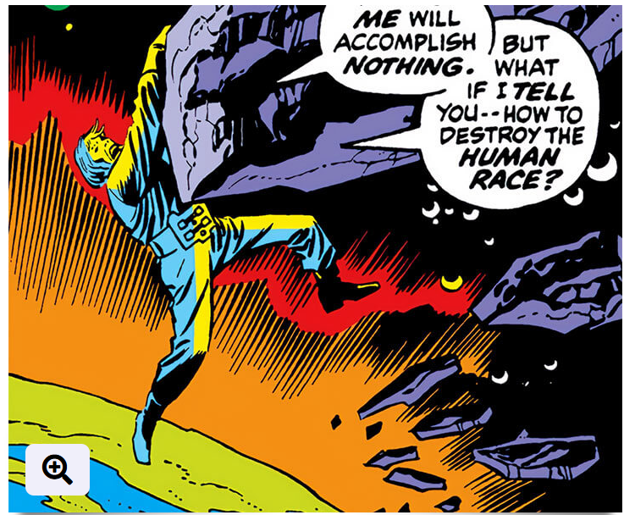
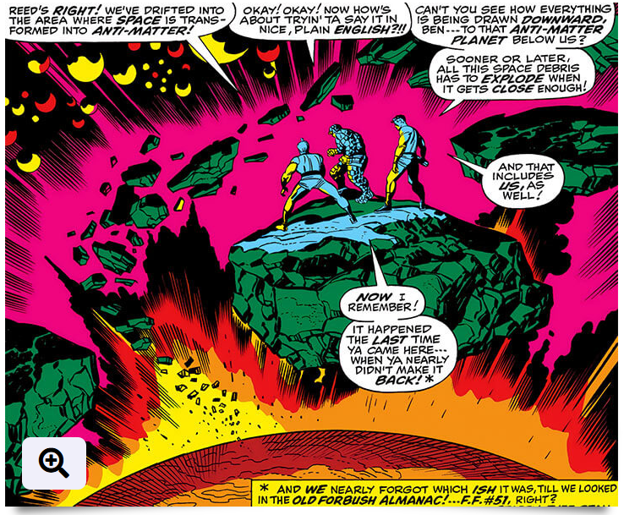
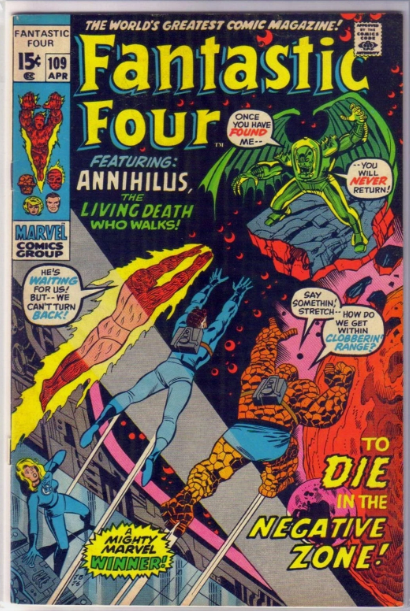
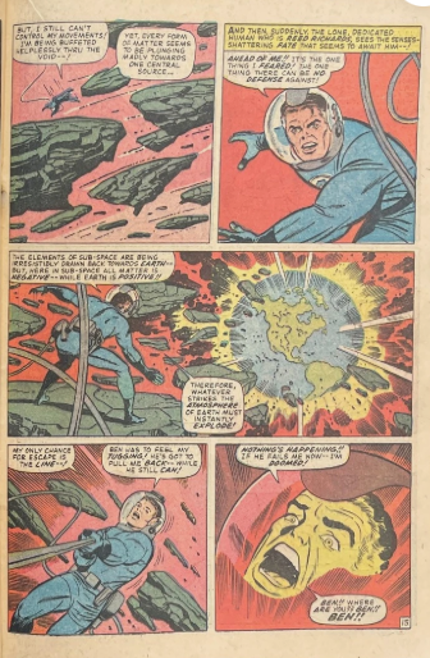
Artist Jack Kirby loved to fill his panels with floating stuff. You could float around these chunks in any orientation:
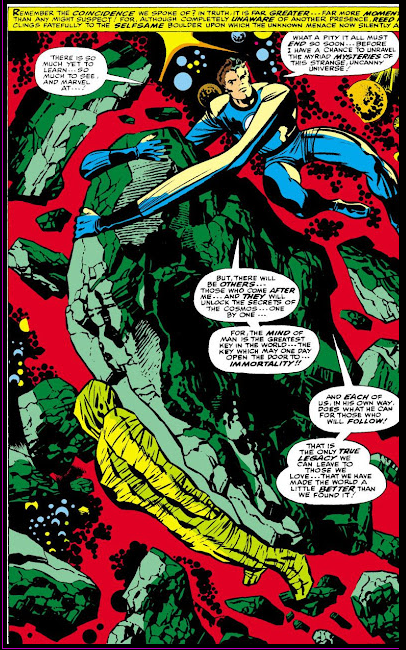
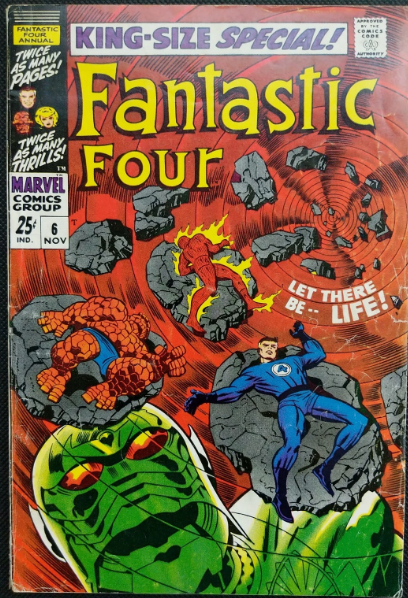
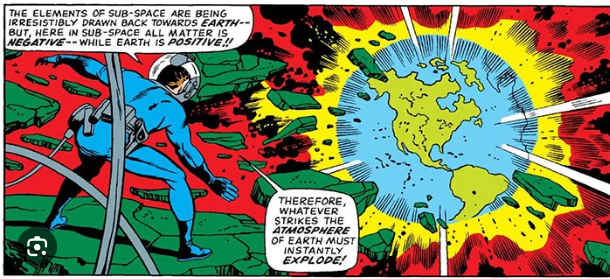
He used these random bits floating around to get a sense of motion. He also used patterns and lines to convey commotion. It can truly be said, everything is in motion is a Jack Kirby drawing. Everything was filled with ENERGY:
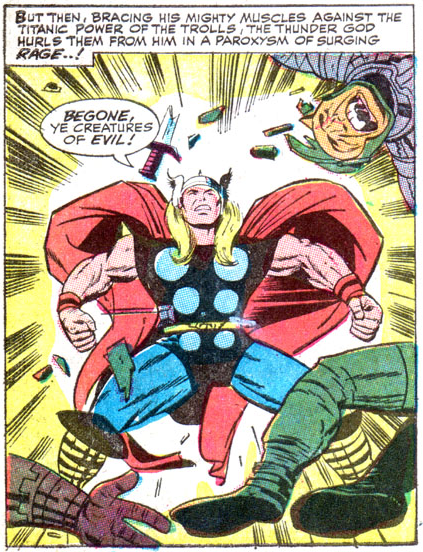
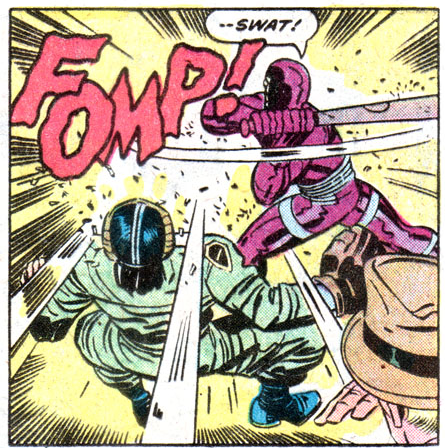
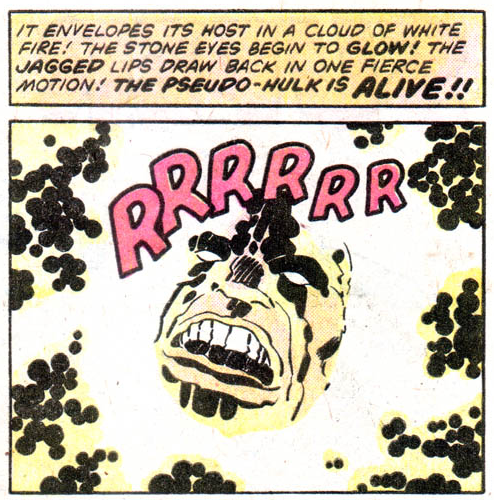
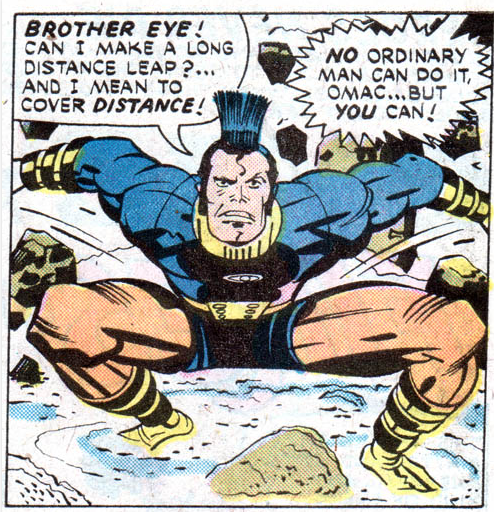
He loved to use space, and filled that space with chunks of rock and other fiddly bits:
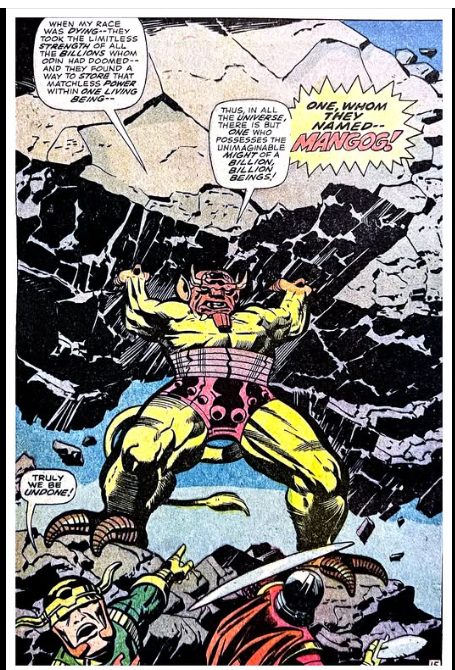
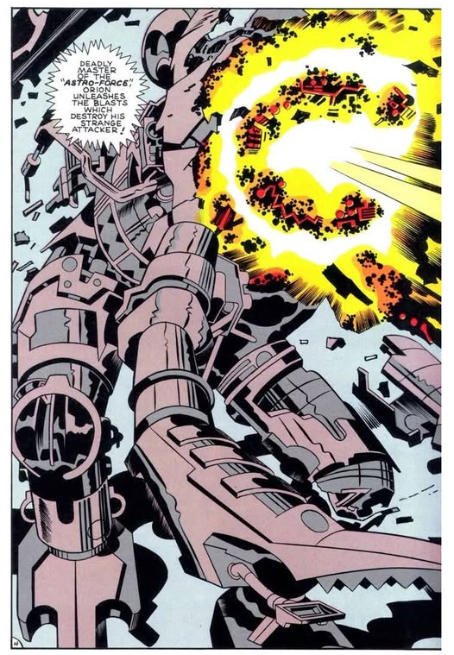
I’m not saying I want a comic book image. I’m just sating I want more motion and things placed in deep space, with some elements closer to the viewer and some elements farther away.
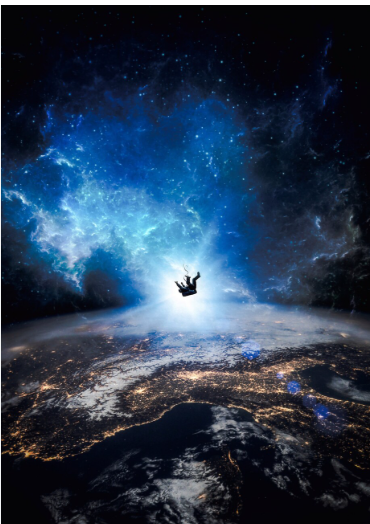
In terms of motion, consider these 2 images:
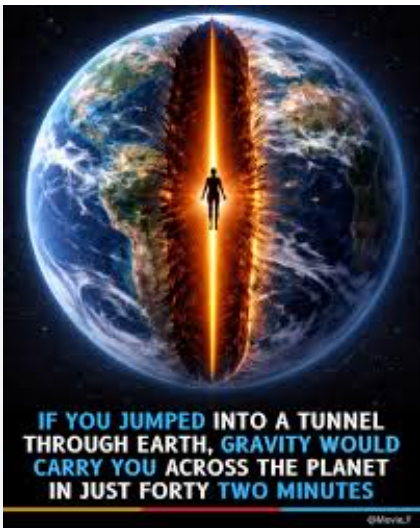
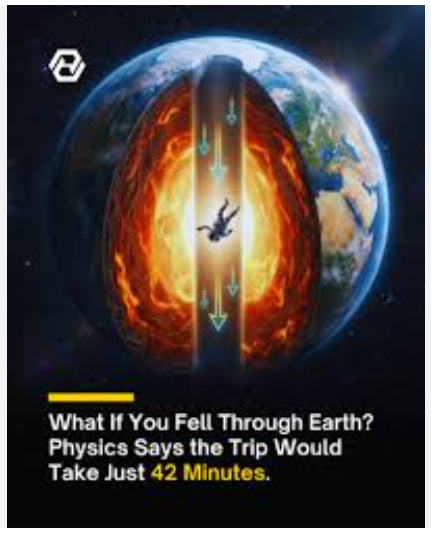
The first conveys motion on the Earth: It looks like the oceans and atmosphere are pouring into the interior. But the figure is absolutely static. He may be mediating.
In the second, the Earth is completely static, but the figure is moving, because he is inverted, reaching with his arm, and there are arrows.
To summarize:
I want an image of the Earth being pulled apart, possibly crumbling. The image should convey motion, or at least dynamism. This can be done by TILTING the two halves, and adding enormous cracks:
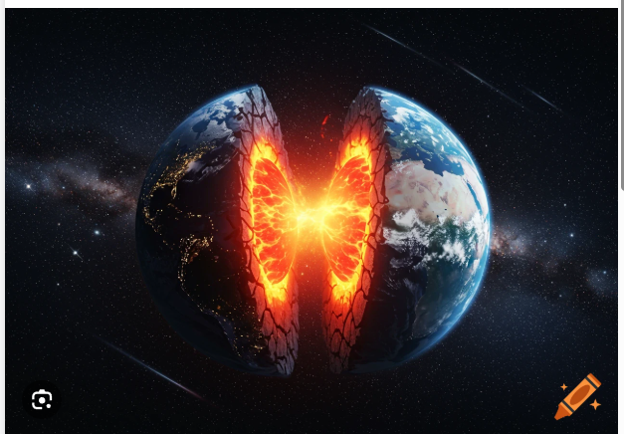
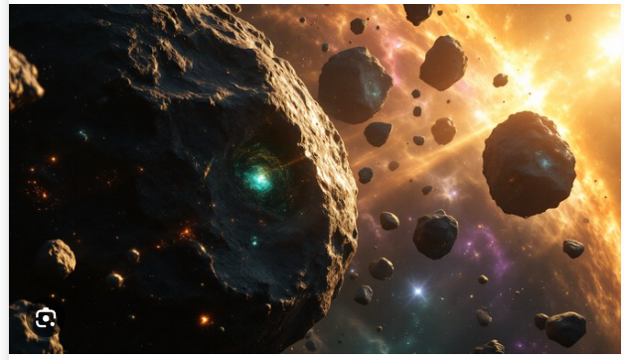
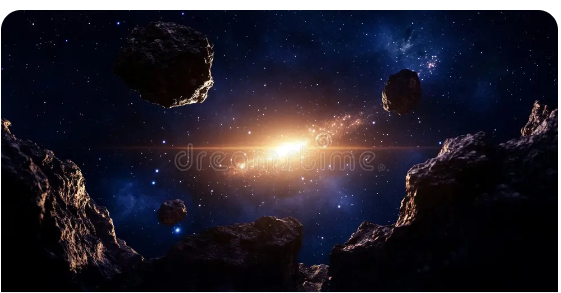
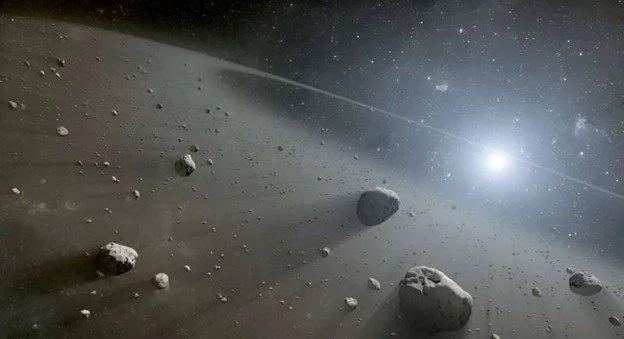
Space junk as you had in the first sketch is OK, but also consider floating chunks of debris, like Kirby’s floating rocks in the negative zone. If you use these, the figure could be standing upon of the chunks. They could be everywhere, all around the Earth, laying out a spatial relationship. It could be reminiscent of Jack Kirby’s drawings of the Negative Zone:
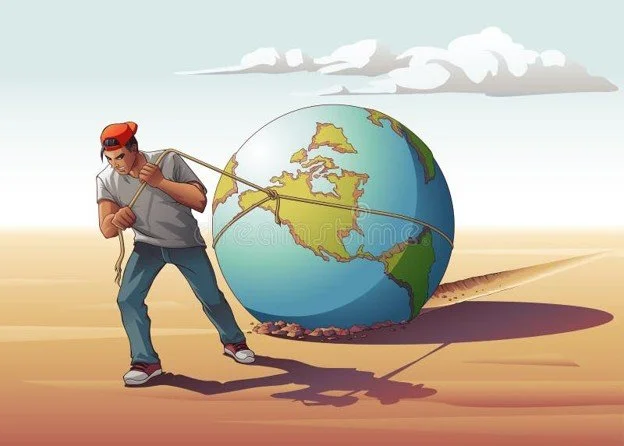
I couldn’t find a good image for the third aspect: a lone figure between the two halves of the Earth, struggling to pull it back together. The figure could be pulling on one or multiple chains (like Superman in the examples above), BUT THE FIGURE IS NOT SUPERMAN. It is a regular human being.
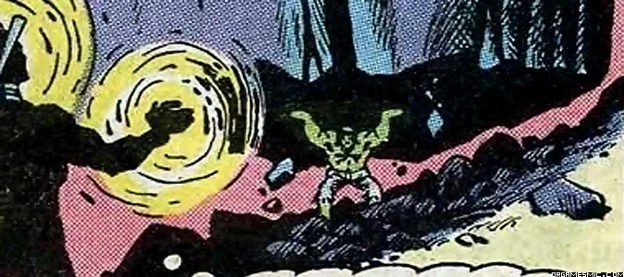
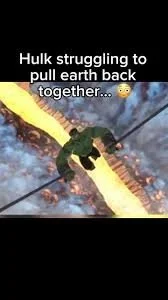
Here are some images I found; none are close, but they may inspire you:

Finally, I recommend silhouetting the image (a black image) against the glowing interior of the Earth. This will help facilitate not having to put too much detail in the image. (But the image should still look like it is struggling, and especially highlighted by powerful dark-against light contrast.)
The figure can be upright, or any orientation (standing on its head, etc.) relative to the Earth, which should be in a north-top orientation with (perhaps) recognizable continents (with huge cracks). The figure may be standing on a space rock (or not; whatever works), which is at its feet in whatever orientation it is in (think Dutch Angles):
The glowing Earth interior can also illuminate the floating pieces of space debris, setting up a dynamic space in the image through one light source. Shadows on the rocks should be prominent.